How to Increase Deep Sleep Naturally
Deep sleep repairs tissue, restores energy, and strengthens memory. If you wake up tired after a full night in bed, your time in deep sleep is likely low. Daily changes and a few targeted choices raise it.

Written with the assistance of Claude AI, reviewed by the Sleep Well Tips team using peer-reviewed sleep research
Why Deep Sleep Matters
Deep sleep supports physical recovery and brain function.
- Muscle repair and growth peak during deep sleep
- Memory consolidation depends on slow wave sleep
- Low deep sleep links to higher risk of obesity and weakened immunity
Deep sleep makes up about 10 to 20 percent of total sleep time in healthy adults. For someone sleeping 7 to 9 hours, that’s roughly 40 to 110 minutes a night.
Daily Habits That Increase Deep Sleep
Consistency drives results. Focus on repeatable actions.
- Keep a fixed sleep schedule. Go to bed and wake up at the same time every day
- Get morning light within 30 to 60 minutes of waking. Spend 10 to 20 minutes outdoors
- Exercise during the day. Avoid intense training within 2 hours of bedtime
- Keep your bedroom cool. Around 16 to 19 degrees Celsius works well for most people
- Build a wind down routine. Lower light and reduce stimulation 60 minutes before bed
A messed-up sleep schedule undoes these habits fast, so fix the schedule first.
Nutrition and Drinks
Food timing and composition affect sleep depth.
- Stop caffeine at least 6 hours before bed. Some people need 8
- Switch to decaf in the evening to keep the habit without the stimulant
- Try tart cherry juice. A 2012 study found it raised total sleep time and sleep efficiency in healthy adults
- Eat magnesium rich foods like almonds, spinach, and oats
- Drink herbal tea such as chamomile or lemon balm before bed
Switching from regular coffee at 7 p.m. to decaf often improves sleep onset within a few days. For more on timing, see how to sleep after caffeine.
Bedroom Upgrades That Work
Your environment directly affects sleep cycles.
- Blackout curtains block light exposure. Even dim light suppresses melatonin. Harvard researchers found that brightness similar to a nightlight is enough to interfere with melatonin secretion
- A supportive mattress reduces movement and awakenings
- White noise smooths sudden sounds and protects deep sleep
- Weighted blankets improve sleep for people with stress or anxiety
- Fans or smart thermostats help maintain stable temperature
Supplements With Evidence
Use supplements carefully and based on need. Talk with your doctor before starting one, especially alongside other medication.
- Magnesium glycinate supports relaxation. Most studies use 200 to 400 mg of elemental magnesium, taken 30 to 60 minutes before bed
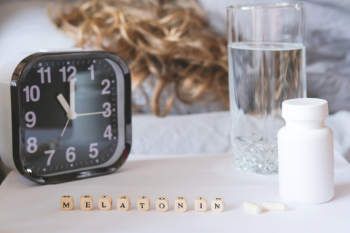
- Melatonin helps regulate sleep timing. Start with 0.5 to 1 mg rather than the higher doses common in over the counter products
- L-theanine promotes calm. Evidence for sleep specifically remains limited
- Valerian root shows mixed results for sleep onset across studies
A 2013 meta-analysis of 19 trials found melatonin reduced time to fall asleep by about 7 minutes on average compared to placebo. Effects vary by person. Melatonin supplements are also loosely regulated: a 2023 study cited by the National Center for Complementary and Integrative Health found most over the counter melatonin gummies contained different amounts than their labels stated.
Evening Routine That Improves Deep Sleep
Follow a simple sequence.
- 3 hours before bed: finish heavy meals, stop caffeine
- 1 hour before bed: dim lights, reduce screen exposure
- 30 minutes before bed: light stretching, reading, or a warm shower
- At bedtime: keep the room dark, cool, and quiet
Consistency matters more than perfection. Track your routine for two weeks and adjust one variable at a time. For more ways to wind down, see relax your mind and body to sleep.
Tracking Progress
Tracking helps confirm what works.
- Basic apps track sleep duration and consistency
- Wearables estimate sleep stages and heart rate trends
- Smart alarms wake you during lighter sleep phases
Sleep trackers estimate deep sleep from movement and heart rate, not brain waves. Treat the numbers as trends, not exact figures.
Sources
- How Much Deep Sleep Do You Need? – Sleep Foundation
- Sleep Deprivation and Deficiency – NHLBI, NIH
- Effect of Tart Cherry Juice on Melatonin Levels and Sleep Quality – Howatson et al., 2012
- Meta-Analysis: Melatonin for the Treatment of Primary Sleep Disorders – Ferracioli-Oda et al., 2013
- Melatonin: What You Need To Know – NCCIH, NIH
- Blue Light Has a Dark Side – Harvard Health
- Magnesium – Consumer Fact Sheet – NIH Office of Dietary Supplements
- Adult Sleep Duration Health Advisory – American Academy of Sleep Medicine