How to Make Yourself Sleep After Caffeine
Reviewed by the Sleep Well Tips Editorial Team using sleep safety guidance and health information sources
This article covers general sleep information and does not replace medical advice. If poor sleep continues for more than a few weeks, talk with a doctor or a sleep specialist.
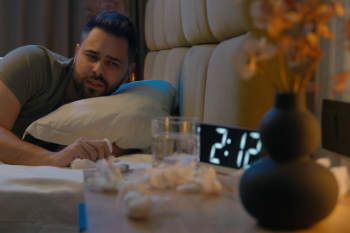
You drank coffee, tea, or an energy drink later than you planned. Now you are lying in bed watching the clock and wondering how to shut your brain off. Caffeine blocks the signals your brain uses to feel tired, and the effect lasts longer than most people expect. Nothing below removes caffeine from your body faster. These steps work with your body while it clears caffeine on its own.

Why Caffeine Keeps You Awake
Caffeine blocks adenosine, a chemical your brain builds up during the day to signal sleepiness. With adenosine blocked, you feel alert even when your body needs rest.
The effect does not fade quickly. Caffeine has a half-life of two to ten hours, depending on your metabolism, age, and factors like hormonal birth control or smoking. Your body clears half the caffeine you drank in this window, then needs roughly the same amount of time again to clear half of what remains. A cup of coffee at four in the afternoon still leaves a measurable amount of caffeine in your system at midnight for many people.
A 2023 meta-analysis in Sleep Medicine Reviews, covering 24 studies, found caffeine cut total sleep time by about 45 minutes on average and delayed sleep onset by roughly nine minutes. The same analysis recommended stopping coffee around nine hours before bedtime to fully protect total sleep time.
What To Do Right Now
Skip The Screens
Phones and TVs emit blue light in the 460 to 480 nanometer range, and this wavelength suppresses melatonin, your body’s sleep hormone. Melatonin signals your brain it is time to sleep, so less of it means a harder time settling down. A University of Haifa study found four hours of screen exposure before bed cut melatonin production by more than half compared with a dark room. Turn off screens at least an hour before you plan to sleep. If you need a device, switch on a red or amber night mode, since warmer light suppresses melatonin far less than blue light.
Cool And Dark The Room
Body temperature drops naturally before sleep, and a warm room fights this process. Set your thermostat between 60 and 67 degrees Fahrenheit and block outside light with blackout curtains or a sleep mask. A dark, cool room will not cancel out caffeine, but it removes signals working against you.
Try Warm Milk, With Realistic Expectations
Milk contains tryptophan, an amino acid your body converts into serotonin and melatonin. A small glass will not flood your system with sleep hormones. The Sleep Foundation notes the amount of tryptophan in one serving stays low, and evidence for milk alone as a sleep aid remains limited. Some studies on older adults found improved sleep after drinking milk paired with regular physical activity. For most people, the bigger benefit comes from the ritual itself. A warm drink and ten quiet minutes before bed signal your body to wind down.
Move Gently, Do Not Push Hard
Light stretching lowers physical tension and helps you settle. Skip workouts intense enough to raise your heart rate, since it works against the calm state you want. A few minutes of slow stretching beats a hard workout at this hour.
Take A Warm Shower Or Bath
A warm shower or bath raises your skin temperature. When you step out, your body cools quickly, and this drop mimics the natural temperature dip your body makes before sleep. Time it 60 to 90 minutes before bed for the strongest effect.
Use The 20-Minute Rule
If you have been lying in bed for around 20 minutes without falling asleep, get up. Go to another room and do something quiet and dim, like reading a paper book. Return to bed only when you feel sleepy. This is stimulus control therapy, a core part of Cognitive Behavioral Therapy for Insomnia (CBT-I) and a technique built into clinical CBT-I protocols nationwide. Staying in bed while wide awake teaches your brain to link the bed with frustration instead of sleep. For more on breaking this link, see how to get out of bed when it feels too comfortable.
Skip Alcohol As A Nightcap
A drink might make you drowsy at first, but alcohol disrupts sleep in the second half of the night. Research published in Sleep Advances and other clinical studies found alcohol shortens the time it takes to fall asleep initially, then triggers more wake-ups and lighter sleep once your body starts metabolizing it. Stacking alcohol on top of late caffeine combines two separate sleep problems in one night.
Avoid Nicotine
Nicotine works as a stimulant, in some ways similar to caffeine. Smokers report more nighttime awakenings and lighter sleep stages than non-smokers, even when they rate their own sleep quality about the same. Skip cigarettes, vapes, and nicotine pouches close to bedtime for the same reason you skip late caffeine.
Watch The Timing Of Your Last Meal
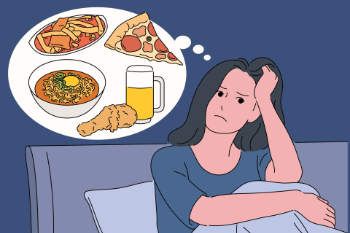
Eating close to bedtime affects people differently. A heavy or sugary meal right before bed spikes blood sugar for some people and works against sleep, while others sleep worse on an empty stomach. Track your own pattern over a few nights instead of following a fixed rule.
Set Up A Comfortable Bed
Pillow support and mattress firmness affect sleep onset more than most people realize. If your setup leaves you shifting positions to get comfortable, fix it before caffeine becomes the only suspect.
Drink Water, For Comfort, Not For Dilution
Water will not flush caffeine from your system faster or weaken its effect. Caffeine works through your bloodstream and brain receptors, not your hydration level. A glass of water still helps you feel calmer heading into sleep, so drink one if it fits your routine. Do not expect it to cancel out caffeine.
For a longer list of calming sounds to play in the background, see 66 sounds to help you fall asleep.
How Much Caffeine Is In Your Drink
Caffeine content varies by brand, brew method, and serving size. These are typical ranges, based on data from the Mayo Clinic and FDA:
- Brewed coffee (8 oz): 95 to 200 mg
- Espresso (1 oz): about 63 mg
- Black tea (8 oz): 25 to 70 mg
- Green tea (8 oz): 25 to 45 mg
- Cola (12 oz): 30 to 40 mg
- Energy drinks (8 oz): 70 to 100+ mg, often higher in larger cans
- Decaf coffee (8 oz): 2 to 15 mg
The FDA lists 400 mg a day as a reasonable upper limit for most healthy adults, roughly four cups of coffee. Count your full day, not only your last cup. Tea, soda, chocolate, and some medications add up alongside coffee.
Why Does Caffeine Keep You Up?
Caffeine blocks adenosine receptors in your brain. Adenosine builds up the longer you stay awake and creates the pressure to sleep. With those receptors blocked, your brain does not register the buildup, so you feel alert instead of tired. The effect peaks 30 to 60 minutes after you drink it and fades slowly as your body clears the caffeine over the following hours.
Why Do You Feel Sleepy After Coffee?
Some people feel tired instead of alert after coffee, and a few things explain it. Regular caffeine users build tolerance, so a normal dose stops delivering a noticeable lift. Existing sleep debt sometimes outweighs caffeine’s alerting effect entirely. A caffeine crash, the drop in alertness once the stimulant wears off, also lands a few hours after your cup and feels like sudden sleepiness.
Prevent The Problem Next Time
Timing solves this before it starts. Stop caffeine at least six hours before bed, and give yourself eight to nine hours if you are sensitive to it or drink a large dose. Track how late in the day you sleep well after coffee, then build your cutoff around this window instead of guessing each night. If your sleep stays off even with a clean caffeine schedule, fixing a messed-up sleep schedule covers the next step.
Sources
- Mayo Clinic: Caffeine content for coffee, tea, soda and more
- Mayo Clinic: Caffeine, how much is too much
- FDA: Spilling the Beans, How Much Caffeine Is Too Much
- Gardiner et al., 2023, Sleep Medicine Reviews: The effect of caffeine on subsequent sleep, a systematic review and meta-analysis
- Sleep Foundation: Caffeine and Sleep
- Sleep Foundation: Does Warm Milk Help You Sleep
- University of Haifa, via ScienceDaily: Blue light emitted by screens damages our sleep
- Sleep Advances: Alcohol use and poor sleep quality, a longitudinal twin study across 36 years
- NIH PMC: Disturbed Sleep and Its Relationship to Alcohol Use
- ClinicalTrials.gov: Insomnia Treatment and Problems, iTAP Study, CBT-I stimulus control protocol
- American Association of Sleep Technologists: Nicotine’s Impact on Sleep