Does Better Sleep Help Reduce Dark Circles?
Reviewed by the Sleep Well Tips team using verified medical sources.
Dark circles under your eyes show up for many reasons. Genetics, thin skin, allergies, sun exposure, and age all play a role. Sleep plays a role too, though the effect depends on why you have dark circles in the first place. Here is what the research shows, and what actually helps.
What Causes Dark Circles Under Your Eyes
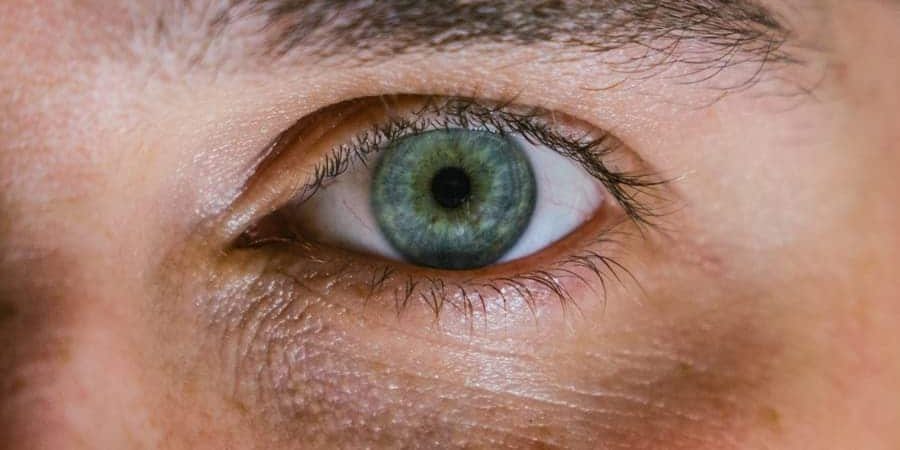
Dark circles form when the skin under your eyes turns darker than the skin around it. Mayo Clinic points to several common causes. Skin under your eyes is thinner than skin on the rest of your face, so blood vessels sit close to the surface and show through as a blue or purple tint. Pigment changes such as melasma or post-inflammatory hyperpigmentation also darken this area, and these changes show up more often in people with brown or Black skin. Puffy eyelids or hollow areas under your eyes cast shadows too, and these often develop with age rather than from missed sleep. Fatigue plays a role as well. Tiredness makes your skin look paler, so the blood vessels underneath become more visible.
Genetics matters most for many people. If dark circles run in your family, sleep will not remove them.
How Sleep Affects Dark Circles
The answer depends on the cause. Dark circles caused by thin skin and visible blood vessels often look worse when you are tired, and they improve somewhat with consistent, adequate sleep. Dark circles caused by genetics or pigment changes stay the same no matter how much you sleep.
Mayo Clinic notes short nights alone rarely cause dark circles on their own, but a lack of sleep makes existing circles and shadows more noticeable. So if your dark circles fade after a good night of sleep and return after a late night, sleep is a real factor for you. If they stay constant regardless of your sleep, another cause is at play, and better sleep alone won’t fix it.
Better sleep still helps your skin overall. Growth hormone release rises during deep sleep stages, which supports tissue repair throughout your body, including your skin. This is one reason consistent sleep gives your face a more rested look, even beyond the eye area.
Sleep Habits That Make Dark Circles Worse
How you sleep matters as much as how long you sleep.
Sleeping on your stomach lets fluid pool in your face overnight, which shows up as puffiness and darker circles by morning. Sleeping on one side repeatedly has a similar effect on the side you favor, since gravity pulls fluid toward the lower side. Sleeping on your back, with your head slightly elevated on an extra pillow, helps prevent this fluid buildup. Mayo Clinic recommends elevating your head with two or more pillows for exactly this reason.
Oversleeping causes similar problems. Long stretches lying down let fluid collect under your eyes, where the skin is thin and tissue is loose. Keeping a consistent sleep schedule, rather than swinging between too little and too much sleep, gives your best results.
How Much Sleep You Actually Need
Most adults need seven to nine hours a night. If you feel exhausted after eight hours, you likely need more, and a short nap during the day helps some people close the gap.
A simple way to find your number: take a week off from alarms. After a couple of nights, your natural rhythm evens out, and you can track how many hours you sleep once your body sets its own pace. For more on sleep timing, see our guide on whether it’s better to sleep before midnight.
Other Causes That Have Nothing to Do With Sleep
Several factors darken the area under your eyes independent of how you sleep.
Sun exposure increases melanin production, which darkens the thin, sensitive skin in this area. Allergies inflame and swell the blood vessels under your eyes, and the same happens with a stuffy nose, since congested veins in this area dilate and darken. Smoking disrupts normal sleep patterns and irritates blood vessels, which worsens the appearance of dark circles over time. Pregnancy and hormonal changes dilate blood vessels and darken skin in this same area. Aging thins your skin further and reduces the collagen and fat keeping it plump, which makes the blood vessels underneath more visible.
None of these respond to sleep alone. Managing the underlying cause, such as treating allergies or wearing daily sunscreen, matters more here.
Practical Ways to Reduce Dark Circles
A few habits make a real difference:
Use a cold compress. Mayo Clinic suggests holding a cold, damp cloth, chilled spoon, or a bag of frozen peas wrapped in cloth against the area. Cold narrows the blood vessels and reduces the blue tint.
Elevate your head. Sleep with an extra pillow so fluid does not pool under your eyes overnight.
Wear sunscreen daily. A broad-spectrum SPF of 30 or higher, reapplied every two hours outdoors, limits sun-driven pigment changes.
Treat allergies. Talk to your doctor about antihistamines if allergies trigger your dark circles.
Cut back on alcohol and quit smoking. Both worsen dark circles over time by disrupting sleep and blood flow.
A gel eye mask, chilled before use, combines the cooling effect with gentle pressure, and many people find it easier to stick with than a spoon or cloth each morning. Read more in our guide to gel eye masks for sleep.
If dark circles persist despite lifestyle changes, ask a doctor about further options, including topical treatments or eyelid surgery to remove excess fat or skin. Surgery carries the usual risks of any procedure, so treat it as a conversation with a doctor, not a first step.
When to See a Doctor
Dark circles are usually not a medical problem. Mayo Clinic advises seeing a doctor if discoloration or swelling shows up under only one eye and gets worse over time, since this pattern sometimes points to an underlying condition rather than routine fatigue or genetics.
Sleep helps with some forms of dark circles and does nothing for others. Figure out which type you have, protect your skin from sun and allergens, sleep on your back with your head slightly raised, and keep a consistent schedule. For more ways to build a routine supporting better sleep overall, check our list of 49 ways to sleep well every night.
Sources
Mayo Clinic. Dark circles under eyes, Causes. https://www.mayoclinic.org/symptoms/dark-circles-under-eyes/basics/causes/sym-20050624
Mayo Clinic. Dark circles under eyes, When to see a doctor. https://www.mayoclinic.org/symptoms/dark-circles-under-eyes/basics/when-to-see-doctor/sym-20050624
National Institute of General Medical Sciences (NIH). Circadian Rhythms. https://www.nigms.nih.gov/education/fact-sheets/Pages/circadian-rhythms
Cigna Healthcare. How to Remove Dark Circles and Bags Under Eyes. https://www.cigna.com/knowledge-center/bags-dark-circles-under-eyes