Benefits of Sleeping with a Gel Eye Mask
Reviewed by the Sleep Well Tips Editorial Team using peer-reviewed eye care and sleep research.
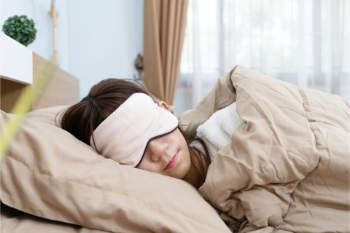
A sleep mask blocks light and helps your body settle into rest. A gel eye mask adds another layer. The gel holds heat or cold, so you get therapy along with the light-blocking effect. Here’s what the research says about how it works and how to use it safely.
Why Blocking Light Matters for Sleep
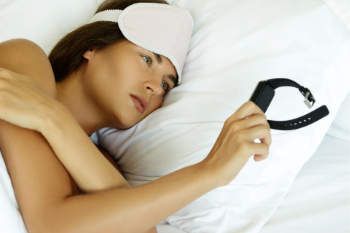
Light exposure at night suppresses melatonin, the hormone that drives sleep. Even small amounts of light reaching your eyes disrupt your circadian rhythm. Cleveland Clinic notes sleep masks block ambient light and help your brain shift into sleep mode. A study published in the journal Sleep found adults who wore an eye mask every night for a week showed better memory encoding and higher alertness the next day, compared to nights without one. The effect held up even when researchers tracked actual sleep stages with wearable devices.
If eye strain or discomfort is what keeps you up at night, read I Can’t Sleep Because My Eyes Hurt for more.
Warm Gel Therapy Benefits
Heating the gel adds a therapeutic layer beyond light blocking.
Warm compresses are a standard treatment for meibomian gland dysfunction, a common cause of dry eye. A randomized controlled trial in BMC Ophthalmology tested disposable eyelid warming masks against hot towels over 12 weeks and found both methods improved dry eye symptoms and tear quality. Earlier research measured the tear film directly. After 5 minutes of warm compress use, tear film lipid layer thickness nearly doubled, and it kept increasing through 30 minutes of treatment.
Warm gel therapy helps if you deal with dry, irritated eyes from screen time or air conditioning. It relaxes the muscles around your eyes and supports natural tear production. Keep expectations realistic. This eases symptoms with regular use. It does not cure chronic dry eye disease on its own. See an eye doctor if dryness persists.
Cold Gel Therapy Benefits
Cold gel works through a different mechanism. Cold temperature constricts blood vessels near the surface of your skin. This reduces fluid buildup around your eyes and eases morning puffiness. Medical News Today reports cold compresses reduce swelling and improve the appearance of dark circles by limiting blood flow to the area. The effect is temporary, so pair it with good sleep habits for longer-lasting results. For more ways to address dark circles, see Does Sleep Remove Dark Circles?
Cold therapy also has research behind it for headache relief. Several small trials on cold caps and cold gel packs found reduced pain intensity in migraine and tension headache sufferers, usually within 15 to 30 minutes of application. The relief is short-term and varies by person. Cold therapy does not replace medical treatment for frequent or severe migraines. Talk to a doctor about a full treatment plan.
How to Use a Gel Eye Mask Safely
Follow a few basic rules to get the benefit without irritation.
- Heat the mask only as the package instructs. Some gels are microwave-safe, others are not.
- Limit warm sessions to 10 to 15 minutes. The gel holds heat for about that long before it cools.
- Never apply a mask hot enough to feel uncomfortable against your skin. Gel packs stay below burn temperature when heated correctly, but overheating in a microwave removes this safety margin.
- Wash the mask cover regularly to avoid bacteria buildup around your eyes.
- Stop use and see a doctor if you notice pain, vision changes, or ongoing symptoms.
Pair the mask with a short wind-down routine before bed. Explore more options in Relax Your Mind and Body to Sleep.
What the Gel Is Made Of
Most gel eye masks use hydroxyethyl cellulose, a plant-derived polymer, or a silica gel coated in vinyl. Both are considered non-toxic and are common in cosmetics and eye care products at the concentrations used in sleep masks. The gel softens at room temperature and firms up when frozen, which is why it holds cold or heat evenly against your skin.
Alternatives If You Don’t Have a Gel Mask
A gel mask isn’t the only option for compress therapy.
- Soak a clean cloth in warm or cold water, wring it out, and place it over closed eyes for 10 to 15 minutes.
- Use two chilled metal spoons against your eyelids for a quick cold treatment.
- Try a USB-heated eye mask if you only need warm therapy and prefer an electric option. These skip cold therapy, so a gel mask is still the better choice if you want both.
The Bottom Line
A gel eye mask gives you two benefits at once. Blocking light supports melatonin production and deeper sleep. Warm or cold therapy adds relief for dry eyes, puffiness, or headache tension, backed by research on each mechanism. Use it as part of a bedtime routine rather than a stand-alone fix, and see a doctor if symptoms persist or worsen.
Sources
How a Sleep Mask Might Help You Get Better Rest, Cleveland Clinic
Wearing an eye mask during overnight sleep improves episodic learning and alertness, SLEEP journal
Efficacy and safety of disposable eyelid warming masks for dry eye due to Meibomian gland dysfunction, BMC Ophthalmology
Increase in tear film lipid layer thickness following warm compress treatment, PubMed
Cold compress for eyes: Benefits and how to make one, Medical News Today
Migraine and Ice Therapy: Where to Put an Ice Pack for Relief, MyMigraineTeam