Sleep vs. Breakfast: What the Research Says About Morning Energy
Reviewed by the Sleep Well Tips editorial team.
Some mornings force a choice. You wake up late after a rough night, and you have time for a few more minutes of sleep or a real breakfast, not both. Here’s what research says about picking the right one, and how to protect both most days.
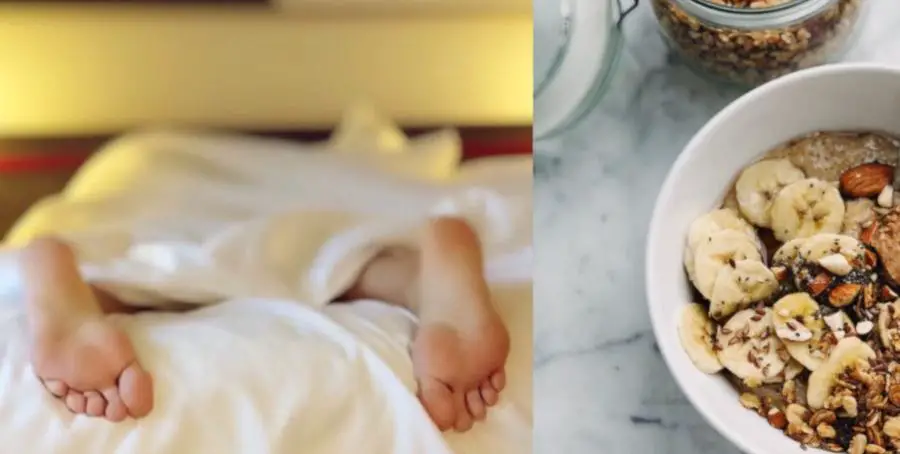
When Sleep Should Win
Pick sleep over breakfast when:
- You slept four hours or less and have room to add more before you need to leave.
- You’re driving or operating machinery soon after waking. A few extra minutes of sleep lowers reaction-time risk more than a meal raises it.
- You already grab breakfast on the way, like a piece of fruit or a protein bar, so skipping the sit-down version costs you nothing.
If you slept a full night and woke up rested, skip nothing. Eat breakfast. The math changes only when sleep is already short.
What Sleep Deprivation Costs You
The cost goes past feeling tired. Meta-analytic research covered by Harvard Business Review found sleep deprivation strongly inhibits workplace performance, mainly by deteriorating mood, and it drives down job performance, productivity, career progress, and satisfaction while raising accidents, absences, and counterproductive behavior at work. Skipping sleep to gain an hour rarely pays off. It shows up later as slower decisions and a shorter fuse. World Economic Forum
The Research Link Between Breakfast and Sleep
Breakfast and sleep track each other in the data, not only in tradition. A 2018 Korean national health survey found breakfast skipping tied to a delayed mid-sleep time, more daytime sleepiness, and a measurable drop in sleep quality. A separate study of Japanese high school students found the pattern from the other direction: later wake-up times, lower sleep quality, and stronger daytime sleepiness were each linked to a higher chance of skipping breakfast. Nutrition
Neither study proves one causes the other. Poor sleep and skipped breakfast likely feed each other: a late, rough night pushes your wake time back, and a late wake time leaves no room for breakfast. Fix one, and the other tends to follow.
Five Habits That Protect Both
- Move bedtime 15 to 30 minutes earlier. Small, consistent shifts stick better than a sudden two-hour change. For more on why earlier sleep pays off, see our guide on sleeping before midnight.
- Write tomorrow’s tasks down before you turn off the light. A Baylor University sleep study found people who wrote a to-do list before bed fell asleep about nine minutes faster than people who wrote about tasks they had already finished, and the more specific the list, the faster sleep came. Keep a notepad by the bed for this instead of your phone. BCBSAL
- Keep evening snacks small and specific. Sleep Foundation research points to a roughly 150-calorie, nutrient-dense snack as a good ceiling before bed. Kiwi has one of the better track records here: a clinical study out of Taipei Medical University found participants who ate two kiwis an hour before bed cut the time it took them to fall asleep by over a third. Skip chips, cookies, and other high-sugar, high-fat snacks late at night, since they work against you. BuzzRxResearchGate
- Nap smart if you’re short on sleep. Keep it to 15 to 20 minutes and before 2 p.m. so it doesn’t push your bedtime later. Set an alarm. Longer naps put you into deep sleep, and waking up mid-cycle leaves you groggier than before you napped. WHOOP
- Fix a shaky sleep schedule at the root. If short nights and skipped breakfasts happen most weeks, not only once, the fastest gains come from resetting your schedule itself. Our guide on fixing a messed-up sleep schedule walks through the steps.
What to Eat When You’re Behind on Sleep
No breakfast reverses a bad night. What you eat still shapes how the day feels. A breakfast built around protein and fiber, eggs with whole-grain toast, Greek yogurt with fruit, or oatmeal with nuts, keeps blood sugar steadier than a sugar-heavy option like a pastry or sweetened cereal. Steadier blood sugar means fewer energy crashes later in the morning, which matters more on a short-sleep day, not less.
The Bottom Line
Most mornings, this isn’t a real trade-off. Build steady bedtime and breakfast habits for ordinary days, and you rarely face the choice on hard ones. For more ways to protect sleep day to day, see 49 ways to sleep well every night. If poor sleep or appetite loss shows up most nights, regardless of what you try, talk with a doctor or sleep specialist. Persistent sleep problems deserve a professional look, not a home fix.
Sources
Baylor University: Can Writing Your To-Do’s Help You Doze?
Harvard Business Review: How Much Is Bad Sleep Hurting Your Career?
PubMed: Examining the association of breakfast skipping with sleep disturbance
Sleep Foundation: Napping
Sleep Foundation: Healthy Bedtime Snacks to Eat Before Sleep
Sleep Doctor: Does Kiwi Help You Sleep?