Is It Safe to Sleep With the Heater On?
Reviewed by the Sleep Well Tips Editorial Team using CPSC, NFPA, and CDC safety guidance.
Central heating is safe to leave on overnight if the system gets regular maintenance and your home has a working carbon monoxide alarm. Portable heaters are a different matter. Fire safety agencies agree on this point: a portable heater, electric or fuel-burning, should never run while you sleep.
The Short Answer
- Central heating (furnace, boiler, heat pump): safe overnight with routine servicing and a CO alarm.
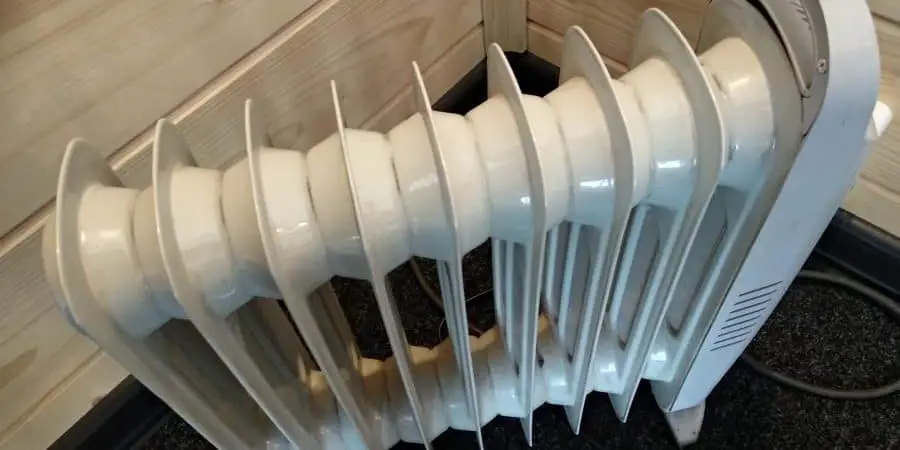
- Portable space heaters, including ceramic and oil-filled models: turn off before bed.
- Gas, kerosene, propane, and briquette heaters: turn off before bed, and never run an unvented model in a closed room at any hour.
Why Portable Heaters Are Not Safe Overnight
The Consumer Product Safety Commission tells people to never leave a heater running while unattended or while sleeping. That rule applies to every type of portable unit, not just older or lower-quality models.
Heating equipment ranks as the second leading cause of home fires in the United States. Fire departments respond to an estimated 37,000 home heating fires a year, resulting in over 400 deaths and more than a billion dollars in property damage. Space heaters and heating stoves account for roughly three in ten of these fires, but seven in ten of the deaths. Most start when the heater sits too close to bedding, curtains, or furniture, the exact setup you get with a heater running in a bedroom overnight.
To use a portable heater safely during waking hours:
- Plug it directly into a wall outlet. Skip extension cords and power strips.
- Keep at least three feet of clearance from anything flammable.
- Choose a model with an automatic tip-over shutoff.
- Check SaferProducts.gov for recalls before you buy or use one.
The Carbon Monoxide Risk With Gas and Fuel Heaters
Burning gas, kerosene, propane, or briquettes indoors produces carbon monoxide, a gas with no color and no smell. The EPA advises against sleeping in any room with an unvented gas or kerosene heater. If you use a fuel-burning heater, keep a room door open to the rest of the house, get the unit inspected yearly, and install a battery-powered or battery-backup CO alarm outside every sleeping area.
Why Central Heating Works Differently
A furnace or boiler gets professionally installed, vented to the outside, and built with automatic safety shutoffs that portable heaters don’t have. NFPA still recommends a yearly inspection of the full system and a working CO alarm on every level of the home, placed near bedrooms.
Could Sleeping With the Heat On Leave You Feeling Sick?
A 2021 survey by bedding brand Slumberdown found 46 percent of adults who sleep with the heating on overnight wake up feeling unwell, most often with a headache, dry mouth, or dehydration. Worth noting: this is brand-commissioned market research, not a peer-reviewed study.
Sleep scientist Professor Jason Ellis of Northumbria University’s Sleep Research Centre offers a likely explanation. Body temperature drops naturally before sleep and climbs again near waking. A warm room amplifies that rise, so a comfortable bedtime temperature turns into an uncomfortable, sweaty wake-up. If a heater is causing this, point airflow away from the bed or lower the thermostat rather than shutting the room off from heat entirely.
The Best Bedroom Temperature for Sleep
The Sleep Foundation recommends a bedroom temperature between 60 and 67°F (15.5 to 19.5°C). This range supports the natural overnight drop in core body temperature tied to deeper sleep. For a full breakdown by season and age group, see our guide to bedroom temperature.
Safer Ways to Stay Warm Without a Heater
- Extra layers and warm sleepwear, including socks.
- An additional blanket or a warmer-rated duvet.
- A hot water bottle filled with boiled water, sealed tight, placed under the covers before bed.
- A heated mattress pad or electric blanket rated for overnight use. These draw far less power than a space heater, and most current models include an automatic shutoff. Our guide to using an electric blanket safely covers what to check before you buy one.
What a Heater Costs to Run Overnight
Divide the heater’s wattage by 1,000, multiply by hours of use, then multiply by your electricity rate per kWh. A 1,500-watt heater run for eight hours uses 12 kWh. At the U.S. average rate of roughly $0.16 per kWh, that’s close to $1.90 a night. Central heating costs vary more, since a thermostat cycles the system on and off rather than running it at full output non-stop.
Should You Lower the Thermostat at Night?
Lowering, not switching off, the thermostat overnight usually saves energy in a well-insulated home. In a poorly insulated one, the house loses heat fast enough that the system works harder to recover in the morning, which can cancel out the saving. Match the setting to your home’s insulation and your own comfort rather than a fixed rule. Our bedroom sleep environment checklist walks through insulation, airflow, and temperature control together.
Bottom Line
Keep central heating running overnight if it’s serviced and backed by a CO alarm. Turn off any portable heater before bed, gas or electric. Add a layer, an extra blanket, or a hot water bottle for warmth instead. Set the thermostat between 60 and 67°F for the best shot at deep, uninterrupted sleep.
Sources
- U.S. Consumer Product Safety Commission: space heater and furnace safety
- NFPA: home heating fire statistics and safety tips
- CDC: Carbon Monoxide Poisoning Basics
- EPA: Protect Your Family and Yourself from Carbon Monoxide Poisoning
- Sleep Foundation: Best Temperature for Sleep
- Sleep Review: Leaving Heating on Overnight Can Lead to Sleep Problems