Is It Bad to Sleep Without Showering After Swimming?
Reviewed by the Sleep Well Tips editorial team.
Sleeping without a shower after swimming is not automatically bad. The risk depends on where you swam. A short rinse before bed removes most of the concerns below and takes one minute.
Should You Shower After Swimming In A Pool
Shower after pool swimming. The CDC recommends it directly. Chlorine reacts with sweat, oils, and skin cells to form chloramines, and chloramines irritate skin and eyes. Left on your skin overnight, this residue dries you out and often triggers redness or itching in sensitive skin.
There’s also a longer-term research question worth knowing. Several studies link regular exposure to chlorine byproducts with higher rates of bladder cancer and asthma symptoms in swimmers. Health bodies including the World Health Organization and the EPA say the evidence so far shows an association, not proof of cause. Showering after every swim removes the byproducts from your skin regardless of how that research settles, so it’s a low-cost habit either way.
One more reason to rinse off before bed: chlorine residue on unwashed skin transfers to your pillow and sheets. If you want your bed sheets to stay fresh longer, showering first protects the fabric too.
Should You Shower After Swimming In A Lake
This depends on the lake. A lake near a town or a factory carries a higher pollution risk. A remote, clear lake carries less risk, though it isn’t guaranteed to be clean.
One risk worth understanding accurately: Naegleria fowleri, sometimes called the brain-eating amoeba, lives in warm freshwater. It is a single-celled organism, not a parasite. CNN medical correspondent Elizabeth Cohen has explained the risk clearly: contact with your skin poses no danger, and swallowing the water poses no danger either. The organism only becomes dangerous if water is forced up your nose. Infections are extremely rare, but the CDC recommends avoiding submerging your head in warm, stagnant freshwater and using nose clips if you do.
A shower after swimming in a lake won’t undo exposure that already happened through the nose, but it removes surface bacteria and any lingering debris before you get into bed.
Should You Shower After Swimming In The Sea
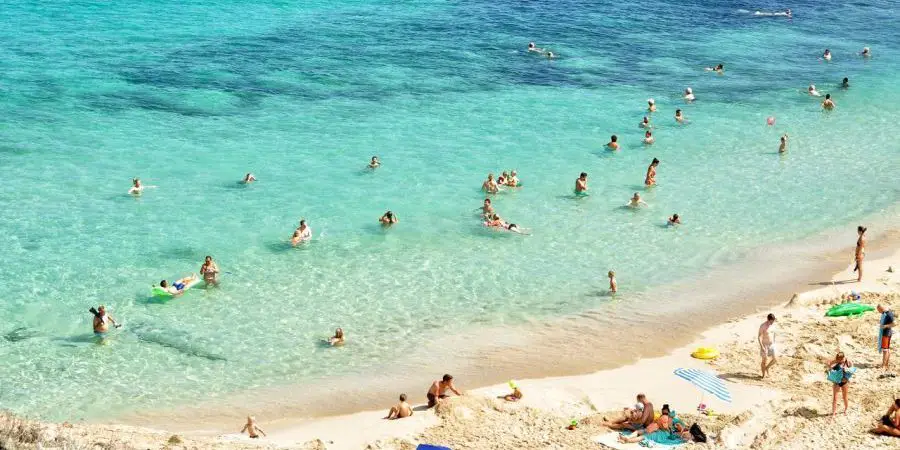
Shower before and after swimming in the ocean. Researchers at the University of Miami tested more than a thousand beachgoers at a popular Florida beach and found that swimmers carry staph bacteria, including MRSA, into the water from their own skin and pick bacteria up from other swimmers. The lead researcher on that study recommends showering before you swim to reduce what you deposit in the water, and again afterward to rinse off what you picked up.
This matters most if you have an open cut, a compromised immune system, or plan to head straight to bed without drying off first.
Quick Answers
Does showering help you sleep? For most people, yes. A warm shower lowers your body temperature afterward, which supports the natural drop your body needs to fall asleep. If you’re working on your bedtime routine more broadly, a shower is a solid anchor habit to build around.
Is it bad to shower when tired? Not inherently. If you’re too tired to stay alert in the shower, skip it and rinse off quickly in the morning instead. Falling asleep on your feet in the bathroom is the real risk, not the missed shower.
Is it okay to sleep with wet hair? Dry your hair first when you can. Wet hair against a pillow keeps your pillowcase damp for hours and tends to leave you less rested by morning.
Sources
CDC: Chloramines and Pool Operation
CDC: Home Pool and Hot Tub Water Treatment and Testing
Genotoxic Effects in Swimmers Exposed to Disinfection By-products, Environmental Health Perspectives / NIH
American Chemistry Council: Swimming Pool Safety
CNN: Six Questions About the Brain-Eating Amoeba, Answered
Shedding of Staphylococcus aureus and MRSA From Bathers in Marine Waters, PMC / NIH