How to Care for Bed Sheets: Washing, Drying, and Storage Guide
Reviewed by the Sleep Well Tips Editorial Team
Your bed sheets touch your skin for around eight hours every night. Dead skin cells, body oils, sweat, and dust mites collect in the fabric within days. Proper care keeps sheets clean, comfortable, and healthy to sleep on. This guide covers washing, drying, ironing, folding, storage, and stain removal.

Why Sheets Need Regular Washing
Sheets collect dirt fast, even if you shower before bed. Every night your body sheds skin cells, releases oils, and produces sweat. These substances build up in the fabric and feed bacteria and dust mites.
Damp mattresses and bedding also support mold growth. Cladosporium, a common household mold, grows on moisture-retaining materials like mattresses. Exposure to Cladosporium triggers asthma symptoms in sensitive people and, in rare cases, causes skin and nail infections such as onychomycosis. Regular washing keeps moisture and buildup from reaching levels where mold and bacteria thrive.
If you have a diagnosed respiratory condition or a known mold sensitivity, talk to your doctor about bedding hygiene specific to your situation.
How Often to Change Bed Sheets
Wash your sheets once a week. This interval keeps oil, sweat, and skin buildup at a manageable level for most people.
Change sheets more often if:
- Pets sleep in your bed
- You have allergies or asthma
- You sweat heavily at night
- You are recovering from an illness
Every three to four days works better in these cases.
How to Wash Bed Sheets Properly
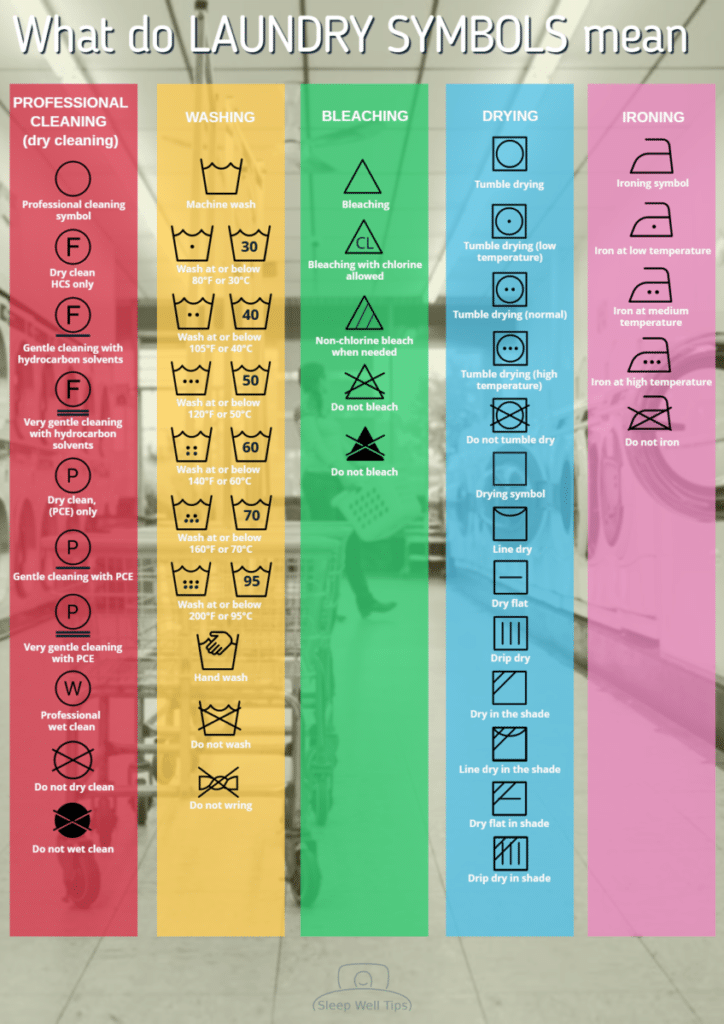
Check the care label first. Manufacturers list the correct water temperature, dryer setting, and fabric warnings for each set.
Wash sheets in hot water when the label allows it. Hot water kills more bacteria and dust mites than cold water. Wash sheets alone, separate from towels and clothing. Extra fabric adds friction and reduces cleaning efficiency.
Fill the machine no more than 70 percent full. A standard washing machine holds around 6.5 kg (14 lbs) of laundry, which fits about four sheet sets depending on size and material. Check your washing machine manual for exact capacity.
Clean the lint trap before each load. A clogged trap reduces water flow and cleaning performance.
For more on building good sleep habits beyond bedding, see our guide to sleeping well every night.
Should You Wash New Sheets Before Using Them
Yes. Manufacturers treat new sheets with finishing chemicals, including formaldehyde-based wrinkle-resistant coatings, sizing agents, and dyes. Dermatologist Hayley Goldbach, MD, an assistant professor of dermatology at Brown University, recommends washing new sheets before use. She notes the residual chemicals can cause contact dermatitis and, in some cases, more serious reactions.
Wash new sheets once before use. Wash twice if you have sensitive skin or known chemical sensitivities.
Drying Bed Sheets Correctly
Remove sheets from the washer right after the cycle ends. Wet fabric left sitting develops a musty smell and supports mold growth.
- Load the dryer loosely. Overloading causes wrinkles and uneven drying.
- Use a medium heat setting unless the label specifies otherwise.
- Clean the dryer lint trap after each use.
- Hang sheets outdoors if you skip the dryer. Sunlight helps kill bacteria and speeds drying.
To dry sheets faster, run a second short dryer cycle or use an indoor drying rack for better airflow.
Why Iron Bed Sheets
Ironing is optional. It offers a few real benefits:
- Smoother sheets feel more comfortable against skin
- High heat kills bacteria that survive the wash
- Ironed sheets fold more evenly for storage
Iron sheets while slightly damp for the best result. Use quick, even strokes and follow the care label for the correct heat setting.
Folding and Storing Bed Sheets
Folding sheets before storage prevents wrinkles and makes them easier to find.
Flat sheet:
- Fold the sheet in half lengthwise, then in half again, into 3 to 4 sections
- Match the corners evenly at each fold
- Fold the resulting strip into thirds or quarters to form a rectangle
Fitted sheet:
- Lay the sheet flat with the fitted corners facing up
- Fold it in half lengthwise
- Tuck the top two corners into the bottom two corners
- Fold in half lengthwise again and repeat the corner tuck
- Fold the remaining shape into thirds
Store sheets in a closet or fabric storage boxes. Wood or breathable fabric containers work better than sealed plastic bins, since trapped moisture encourages mold growth. Group matching sets together so you find the right size fast.
Keeping Sheets Fresh Between Washes
Dry sheets completely before storage. Damp fabric develops mold and mildew within a day or two in a closed space.
- Use a mild fabric softener if your fabric type allows it
- Store sheets with a natural freshener sachet, such as cedar or lavender
- Air out your mattress and bedroom regularly to reduce moisture buildup
Browse our sleep tips section for more bedroom habits that support better rest.
Removing Blood Stains
Fresh blood responds best to cold water. Hot water sets the stain by cooking the protein in the blood.
- Rinse the stain with cold water immediately
- If the stain remains, apply hydrogen peroxide, white vinegar, or baking soda directly to the spot
- Let it sit for 20 minutes
- Wash the sheet normally afterward
Removing Yellow Stains From White Sheets
Yellowing happens for two reasons: sweat and skin oils build up over time, and fabric ages and oxidizes with repeated washing.
- Skip fabric softener for this wash
- Add half a cup of baking soda to the detergent compartment
- Add half a cup of white vinegar to the fabric softener compartment or during the rinse cycle
- Dry the sheets outdoors in direct sunlight when possible
Repeat if yellowing persists after one wash.
When to Replace Bed Sheets
Replace sheets when you notice:
- Holes or thinning fabric
- Stains that survive repeated washing
- Persistent odor after washing
- Pilling that makes the surface feel rough
Well-maintained cotton sheets typically last two to three years with weekly use and proper washing. Lower thread counts and synthetic blends wear out faster.
Standard Bed Sheet Sizes
| Size | Bed Dimensions | Flat Sheet | Fitted Sheet |
|---|---|---|---|
| Twin | 38 x 75 in | 72 x 102 in | 39 x 76 x 14 in |
| Twin XL | 38 x 80 in | 72 x 114 in | 39 x 80 x 14 in |
| Full | 54 x 75 in | 87 x 102 in | 54 x 76 x 15 in |
| Queen | 60 x 80 in | 92 x 108 in | 60 x 80 x 15 in |
| King | 76 x 80 in | 110 x 114 in | 73 x 80 x 15 in |
| California King | 72 x 84 in | 111 x 114 in | 73 x 85 x 15 in |
Common Bed Sheet Questions
Will washing kill fleas? Water at 140°F (60°C) or higher kills fleas and their eggs. Lower temperatures leave some eggs viable. Wash all bedding in the affected room together.
Will washing kill bed bugs? Hot water combined with a dryer cycle above 120°F (49°C) kills bed bugs and their eggs. Washing sheets alone rarely resolves an active infestation. Bed bugs hide in mattress seams, furniture, and wall cracks. Contact a pest control professional for confirmed infestations.
Why do sheets slip off the mattress? Loose or worn elastic on fitted sheets causes slipping. Silk and sateen sheets slip more due to their smooth texture. Sheet straps or a mattress with a grippier surface fix most slipping problems.
What sheet material feels most comfortable? Comfort depends on climate and personal preference.
- Sateen cotton feels smooth and slightly heavy, with a soft drape
- Eucalyptus lyocell (often sold as Tencel) wicks moisture and resists dust mites due to its fiber structure, which works well for sensitive skin
- Linen feels textured and cool, wicks moisture well, and suits warm climates
See our recommended sleep products page for tested sheet options in each material.
Sources
- Cladosporium mold: health effects, asthma, and onychomycosis — Bust Mold Inc.
- Chemical treatments on new sheets, including formaldehyde — Mulberrys Cleaners
- Dermatologist guidance on washing new sheets before use — Better Homes & Gardens, via AOL syndication
- Baking soda and vinegar ratio for yellowed sheets — MagicLinen