
Is It Safe to Sleep With Chewing Gum in Your Mouth?
Reviewed by the Sleep Well Tips Editorial Team using sleep safety guidance and health information sources.
Chewing gum is a common habit. Many people chew gum after meals, during work, or while relaxing in the evening. The fresh feeling and extra saliva production might make gum feel like a helpful nighttime habit.
Sleeping with chewing gum in your mouth is different. Keeping gum in your mouth while you fall asleep creates unnecessary risks and is not a safe sleep habit.
If you chew gum before bed, remove it before lying down. This small habit helps prevent problems during the night.
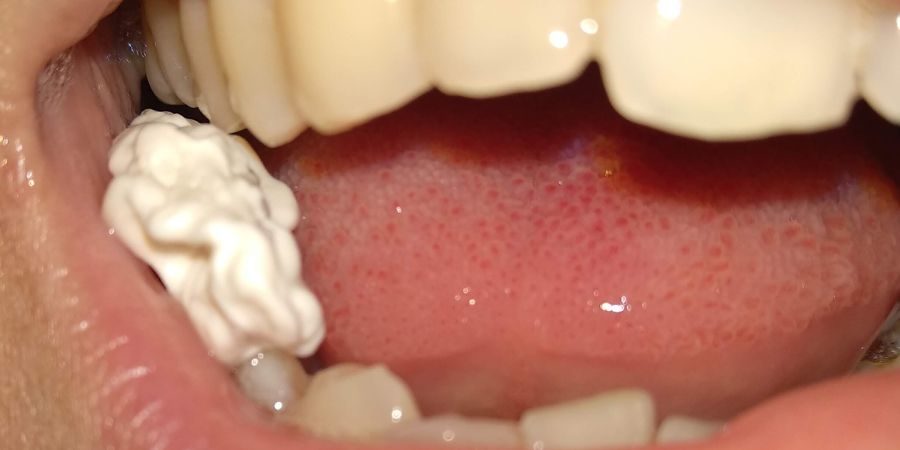
What Happens If You Fall Asleep With Chewing Gum in Your Mouth?
The main concern with sleeping with gum in your mouth is the risk of choking or inhaling the gum into your airway.
When you sleep, your muscles relax and your awareness decreases. You lose the ability to respond quickly if something blocks your airway. A piece of gum might move from its normal position and become a choking hazard American Academy of Pediatrics.
Serious incidents involving chewing gum during sleep appear to be rare, but the risk exists. Avoiding the situation completely is simple. Throw the gum away before you go to bed.
Other possible problems include:
- Gum sticking to your pillowcase or bedsheets
- Gum getting caught in your hair
- Waking up with an unpleasant taste in your mouth
- Forgetting that you still have gum while falling asleep
The easiest solution is to make removing gum part of your bedtime routine.
Is Chewing Gum Before Bed Bad for Sleep?
Chewing gum itself does not automatically harm your sleep. The problem is the timing and the risk of falling asleep while still chewing.
Some people use sugar-free gum after meals because chewing increases saliva flow and helps clean the mouth (American Dental Association). However, chewing gum right before bed creates an extra step in your routine. If you are tired, you might forget to remove it.
A better habit is:
- Finish chewing gum before getting ready for bed.
- Throw it away.
- Brush your teeth.
- Follow your normal bedtime routine.
A consistent bedtime routine supports better sleep habits. If you want more ways to improve your nighttime routine, read our guide on How to Sleep Better at Night Naturally.
Why Do People Fall Asleep With Gum in Their Mouth?
Most people do not plan to sleep with gum. It usually happens because they are tired or distracted.
Common situations include:
- Watching television in bed while chewing gum
- Reading while chewing gum
- Falling asleep during a late-night activity
- Chewing gum after brushing teeth and forgetting about it
Fatigue makes small habits easier to overlook. If you often fall asleep unexpectedly, improving your sleep schedule and bedtime routine might help.
You can find more practical advice in our article How to Fix a Messed-Up Sleep Schedule.
How to Avoid Falling Asleep With Chewing Gum
A few simple changes help prevent this problem.
1. Remove Gum Before Getting Into Bed
The best solution is simple. Do not bring chewing gum into bed.
Throw it away before you start your bedtime routine. This removes the chance of forgetting.
2. Keep a Trash Can Near Your Bed
Sometimes people get into bed first and realize they still have gum. A nearby trash can makes it easier to remove it immediately.
Do not place used gum on your nightstand, books, or furniture. Gum sticks easily and leaves a difficult mess.
3. Create a Bedtime Reminder
If you often forget to remove gum, connect it with another habit.
For example:
- Throw away gum before brushing your teeth
- Add a reminder before bedtime
- Check your mouth before turning off the lights
Small routines become easier when they happen at the same time every night.
4. Avoid Chewing Gum When You Are Extremely Tired
If you notice yourself falling asleep while chewing gum, stop chewing earlier in the evening.
Extreme tiredness reduces attention and makes accidental sleep more likely.
What If Chewing Gum Gets Stuck in Your Hair?
Finding gum in your hair after sleeping is frustrating, but it does not require cutting your hair in most cases.
Common methods for removing gum include:
- Applying peanut butter to soften the gum
- Using cooking oil to reduce stickiness
- Applying ice to harden the gum before removing it
- Working slowly to avoid pulling hair
Avoid pulling aggressively. This often makes the problem worse.
How to Remove Chewing Gum From Sheets or Pillowcases
Chewing gum sticks strongly to fabric, but careful removal usually works.
Try these steps:
- Place the fabric in the freezer for a few hours if possible.
- Remove hardened gum pieces gently.
- Scrape remaining pieces carefully with a blunt object.
- Wash the fabric according to the care instructions.
Do not rub fresh gum deeper into the fabric. This spreads the sticky material.
What Happens If You Swallow Chewing Gum Before Sleep?
A common concern is swallowing gum.
Chewing gum is not designed to be digested, but a small amount usually passes through the digestive system and leaves the body naturally.
The old idea that swallowed gum stays inside your body for years is not supported by medical evidence.
A single swallowed piece of gum is usually not a reason for concern. Problems are more likely when someone swallows large amounts of gum or has other health concerns.
If a child swallows a large amount of gum, contact a healthcare professional for advice.
Is It Safe to Swallow Gum During Pregnancy?
Swallowing one piece of gum during pregnancy is not considered dangerous for most people. The same general advice applies. Avoid swallowing large amounts and speak with a healthcare professional if you have concerns (Cleveland Clinic).
The same general advice applies. Avoid swallowing large amounts and speak with a healthcare professional if you have concerns.
Keeping gum out of your mouth while sleeping is the safer choice for everyone, including pregnant people and children.
Should Children Sleep With Gum in Their Mouth?
Children should not sleep with chewing gum in their mouths.
Young children have a higher risk of choking on small objects because their airways are smaller and they are still developing safe eating habits (American Academy of Pediatrics).
Parents should check that children remove gum before naps and bedtime.
A calm bedtime routine also helps children prepare for sleep. For more bedtime ideas, see our guide on How to Relax Your Mind & Body Before Bed.
Better Bedtime Habits for Better Sleep
Removing chewing gum before sleep is one small part of good sleep hygiene.
Other helpful habits include:
- Keeping a regular bedtime
- Limiting stimulating activities before sleep
- Creating a relaxing bedroom environment
- Avoiding habits that interrupt your bedtime routine
If you want to improve your overall sleep quality, explore our article How to Increase Deep Sleep Naturally.
Final Thoughts
Sleeping with chewing gum in your mouth is not a safe habit. The risk of serious problems is low, but there is no benefit to keeping gum in your mouth while you sleep.
The safest approach is simple. Finish chewing before bed, throw the gum away, and continue with your normal nighttime routine.
A small change before sleep helps you avoid unnecessary problems during the night.
Sources
Healthline. What Happens When You Swallow Gum? https://www.healthline.com/health/how-long-does-gum-take-to-digest
American Academy of Pediatrics. Prevent Choking. https://www.healthychildren.org/English/safety-prevention/at-home/Pages/Prevent-Choking.aspx
American Dental Association. Chewing Gum. https://www.ada.org/resources/ada-library/oral-health-topics/chewing-gum