Why Do My Eyes Hurt at Night? Common Causes and When to See a Doctor
Medically Reviewed by
Your eyes hurt at night for a handful of common reasons. Dry eyes cause most cases. Screens, contact lenses, leftover makeup, and CPAP masks add to the problem. Most causes clear up with a few habit changes. A smaller set of symptoms need a same-day doctor visit. Here’s how to tell the difference.
Common Causes of Eye Pain at Night
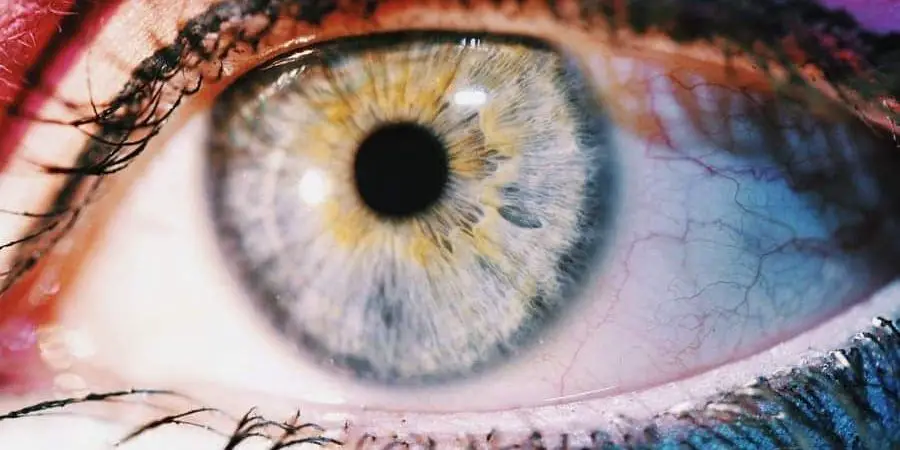
Dry eyes top the list. Tear production naturally slows as the day goes on, and screen time cuts your blink rate further, so less moisture reaches the eye’s surface. The National Eye Institute names age, hormone shifts, allergy and cold medications, and conditions like diabetes or thyroid disease as contributors.
Other common causes:
- Contact lenses worn too long. Lenses limit oxygen and moisture reaching your cornea. Give your eyes a lens-free stretch before bed.
- Eye makeup left on overnight. Mascara and eyeliner block the meibomian glands along your lash line, the glands responsible for the oil layer which keeps tears from evaporating. Ophthalmologists have documented cases where years of unremoved mascara built up under the eyelid and caused chronic irritation. Nightly cleansing prevents this.
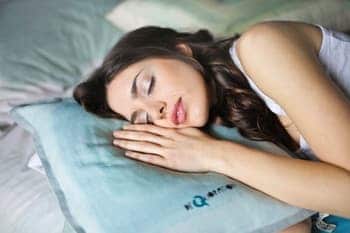
- Nocturnal lagophthalmos. This is the medical term for sleeping with your eyes partly open, and the Sleep Foundation notes many people never realize they do it. An exposed cornea dries out overnight, so you wake up with burning, grit, or blurred vision.
- A CPAP mask that leaks air. If you treat sleep apnea with CPAP, escaping air speeds up tear evaporation near your eyes. The American Academy of Ophthalmology recommends a lubricating gel drop before bed for this.
Why Your Eyes Might Hurt More When You Wake Up
Pain that shows up specifically in the morning usually points to incomplete eyelid closure. Blinking spreads a fresh layer of tears across your eyes every few seconds while you’re awake. That process pauses during sleep. If your eyelids don’t fully close, the exposed part of your cornea dries out over the night.
Ask a partner to check whether your eyes stay open while you sleep, or record yourself for a few nights. A snug sleep mask blocks air and light and gives your eyes a better chance to recover overnight. Some people also find the cooling effect of a gel eye mask soothing before bed.
If a mask alone doesn’t fix it, book an eye exam. An eye doctor measures how far your eyelids close and checks for underlying nerve or muscle causes.
When Eye Pain Signals a Medical Emergency
Most nighttime eye pain traces back to dryness or irritation. A smaller group of symptoms points to something urgent.
Go to an emergency room right away if eye pain comes with:
- Sudden, severe pain in one eye
- Blurred vision or halos around lights
- Nausea or vomiting
- A hard, red eye
Cleveland Clinic lists these as signs of acute angle-closure glaucoma, a condition where fluid pressure builds up fast inside the eye and threatens permanent vision loss within hours if it goes untreated.
Sharp, stabbing pain after something touches your eye, combined with light sensitivity, watering, and a gritty feeling under the lid, points to a corneal abrasion, a scratch on the eye’s surface. Mayo Clinic recommends rinsing the eye with clean water or saline right away, then getting seen the same day so the scratch doesn’t turn into an infection.
How to Relieve Eye Pain at Night
Most causes respond to a few consistent habits.
- Use preservative-free artificial tears before bed. They restore moisture without added chemicals which irritate sensitive eyes over time.
- Remove all eye makeup every night, even when you’re exhausted. A gentle cleanser and a soft pad clear the lash line without scrubbing.
- Step away from screens an hour before bed. Your blink rate returns to normal once you stop staring at a lit display.
- Give contact lenses a rest in the evening. Glasses let your eyes get uninterrupted oxygen overnight.
- Check your CPAP mask fit. A tighter seal near the nose bridge stops air from blowing across your eyes, and a humidifier attachment helps too. If you’re troubleshooting the whole setup, how to reduce snoring naturally covers other ways to breathe easier overnight.
When to See a Doctor
Home care clears up most nighttime eye pain within a few days. Book an appointment if:
- Pain, redness, or dryness lasts more than a week despite drops and rest
- Styes, crusting, or lid swelling keep recurring
- Your vision changes, even briefly
- Pain follows a scratch, chemical splash, or something getting into the eye
An optometrist or ophthalmologist finds the root cause and treats it directly instead of managing symptoms alone.
Sources
- National Eye Institute: Causes of Dry Eye
- American Academy of Ophthalmology: Sleeping with Eyes Open
- American Academy of Ophthalmology: CPAP Dry Eye Q&A
- Cleveland Clinic: Angle-Closure Glaucoma
- Cleveland Clinic: Corneal Abrasion
- Mayo Clinic: Corneal Abrasion First Aid
- Sleep Foundation: Sleeping with Eyes Open
- AllAboutVision: Meibomian Gland Dysfunction