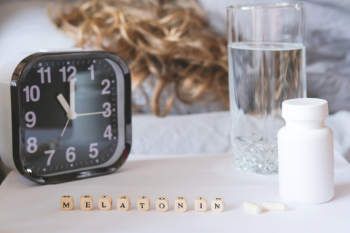
How to Adjust Your Sleep Schedule for Daylight Saving Time (Spring Forward and Fall Back)
Daylight saving time ends in the United States on Sunday, November 1, 2026. Clocks fall back one hour at 2 a.m., and most people get an extra hour of sleep that night. The next spring change arrives on Sunday, March 14, 2027, when clocks move forward and take an hour away. Either direction throws off your body clock, and the two directions do not affect you equally.

Written with the assistance of Claude AI, reviewed by the Sleep Well Tips team using peer-reviewed sleep research.
Researchers have tested what happens to your body during these transitions for decades. Some long-held claims, like a spike in heart attacks after the spring switch, don’t hold up as well under the newest, largest studies. Other effects, like a jump in fatal car crashes, stay well supported by the data. Knowing the difference helps you put your effort where it counts.
What Daylight Saving Time Does To Your Body Clock
Your circadian rhythm runs on a cycle close to 24 hours, set by light exposure and timed by a structure in your brain. For most people, that internal cycle drifts a little longer than 24 hours on its own. This is why staying up later feels easier than falling asleep earlier for most adults.
The fall change asks your body to delay, meaning you push sleep and wake times later, which lines up with your body’s natural drift. The spring change asks for the opposite: an advance, where you move sleep and wake times earlier, against your body’s natural pull.
Circadian researchers studying jet lag find the same pattern at a bigger scale. Shifting your schedule later, similar to flying west, tends to settle faster than shifting earlier, similar to flying east. Daylight saving time only moves the clock by one hour, so the effect is smaller than a multi-time-zone flight, but the direction of the bias is the same. It explains why spring forward tends to hit harder than fall back.
The Real Sleep Loss, According To The Data
A University of Bristol team tracked 11,780 UK Biobank participants using wrist-worn activity monitors across the 2013 to 2015 spring and fall clock changes. Their published findings show:
| Time Change | Average Sleep On Transition Night vs. The Week Before |
|---|---|
| Spring Forward | About 65 minutes less |
| Fall Back | About 33 minutes more |
Notice the gap. A one-hour swap should even out on paper. It doesn’t. People lost more than the promised 60 minutes in spring and recovered less than 60 minutes in fall. Men tended to make up some lost sleep on weekdays after both changes. Women often didn’t, and in some cases slept even less in the days that followed.
Health Risks Tied To The Time Change
Earlier studies raised real alarm. A 2014 analysis of Michigan hospital data, presented by the American College of Cardiology, found a 25 percent jump in heart attacks on the Monday after spring forward, paired with a 21 percent drop the Tuesday after fall back. A Swedish study from 2008 found roughly a 7 percent rise in heart attacks in the days after the spring switch. A Finnish study found an 8 percent rise in stroke risk over the first two days.
A far larger study changes the picture. Duke University researchers examined 168,870 patients across 1,124 U.S. hospitals from 2013 to 2022, the biggest dataset assembled on this question. Published in JAMA Network Open in September 2025, it found no significant difference in heart attack rates during either the spring or fall transition weeks compared with the weeks before and after. The lead author called it the most complete look yet at the link, and the numbers didn’t support the older concern.
The crash data tells a clearer story. University of Colorado Boulder researchers analyzed 732,835 fatal U.S. car accidents from 1996 to 2017, published in Current Biology. Fatal crashes rose 6 percent in the week following spring forward, about 28 extra deaths a year, with the sharpest rise in morning hours and among drivers in the western edge of a time zone. Fall back showed no net increase. Morning crashes dropped while evening crashes rose from earlier darkness, and the two roughly canceled out.
Take from this what the evidence actually supports: your cardiovascular risk from the clock change alone looks weaker than once believed, but sleep loss still affects alertness, mood, and reaction time enough to raise your driving risk for about a week each spring.
How Many Days You Need To Adjust
The American Academy of Sleep Medicine recommends a gradual shift starting a few nights before either change, rather than absorbing the full hour at once.
| Nights Before The Change | Spring Forward | Fall Back |
|---|---|---|
| 3 nights before | Move bedtime and wake time 15 to 20 minutes earlier | Move bedtime and wake time 15 to 20 minutes later |
| 2 nights before | Shift another 15 to 20 minutes earlier (30 to 40 total) | Shift another 15 to 20 minutes later (30 to 40 total) |
| 1 night before | Shift another 15 to 20 minutes earlier (45 to 60 total) | Shift another 15 to 20 minutes later (45 to 60 total) |
| Night of the change | Set clocks, sleep at your new regular bedtime | Set clocks, sleep at your new regular bedtime |
Move meals and exercise times along with your sleep schedule. These act as extra cues that tell your body the day has shifted.
After the change, most adults feel back to normal within 5 to 7 days, according to AASM and CDC guidance. Night owls and people who skip the gradual shift sometimes take up to two weeks, especially after spring forward.
A few extra steps help on each end:
- After spring forward, get outside within an hour of waking. Morning light pushes your internal clock earlier, working with the direction you need to move.
- After fall back, keep a fixed wake time even though it feels easier to sleep in. Sleeping in pushes your clock later again and cancels the progress you made.
- In both directions, cut caffeine at least six hours before bed. For more on timing this around your existing habits, see how caffeine affects your ability to sleep.
- Build a short wind-down routine in the 30 minutes before bed. A guide to relaxing your mind and body before sleep walks through options that work well during a schedule shift.
You can also use the AASM’s free bedtime calculator to find an appropriate bedtime based on your age and wake time.
When Sleep Trouble Doesn’t Go Away
If grogginess, poor focus, or a shifted sleep pattern last past two weeks, the clock change probably isn’t the only factor. Time changes sometimes reveal an existing sleep problem, such as insomnia or sleep apnea, rather than cause one outright. If your schedule feels stuck well after the transition, a full sleep schedule reset guide covers a longer-term fix, and it’s worth talking to a doctor if fatigue, snoring, or trouble sleeping continue on their own.
Frequently Asked Questions
When does daylight saving time end in 2026?
Sunday, November 1, 2026. Clocks fall back one hour at 2 a.m.
How many days does it take to adjust to daylight saving time?
Most adults feel normal within 5 to 7 days. People who don’t shift their bedtime in advance, or who tend toward later sleep times, sometimes take up to two weeks.
Is spring forward or fall back harder on the body?
Spring forward. It asks your body to advance its clock, which research consistently shows takes longer than delaying it. Sleep-tracking data shows a bigger loss in spring, and fatal crash data shows a real spike only after the spring change.
The clock asks for one hour. Your body doesn’t give up or gain that hour evenly across the two seasons. Start shifting a few nights early, protect your morning light after spring forward, and hold your wake time steady after fall back.
Sources
- American Academy of Sleep Medicine: Daylight Saving Time
- AASM Bedtime Calculator
- CDC/NIOSH: Tips to Adapt to Daylight Saving Time
- University of Bristol sleep duration study, UK Biobank data (medRxiv preprint)
- University of Colorado Boulder: fatal crash study, Current Biology
- Duke University: JAMA Network Open heart attack study
- American College of Cardiology: Michigan heart attack data
- Circadian phase-shift research, Sleep journal (PMC)
- 2026 daylight saving time end date confirmation