Why Do I Sweat So Much at Night?
You wake up at 3 a.m. with damp sheets and a soaked shirt. The room feels cool, yet your body runs hot. This pattern has a name: night sweats. It ranks among the most common complaints patients bring to primary care doctors, and it points to a wide range of triggers, from a heavy duvet to a hormone shift to an underlying condition worth checking out. This guide breaks down the real causes, backed by data from medical research, plus a self-check you use tonight to narrow down your own trigger.
Reviewed by the Sleep Well Tips team using peer-reviewed sleep research and written with the assistance of Claude AI
How Common Are Night Sweats
Night sweats feel like a private problem in the moment, but the numbers tell a different story. A systematic review published in American Family Physician found the rate ranges from 10 to 41 percent among primary care patients, with the highest rate among people between 41 and 55. Among adults surveyed for the International Hyperhidrosis Society, 33 percent report some degree of night sweating, and 16 percent report sweating heavy enough to soak their bedclothes.
We pulled the reported rates from four separate sources to show the scale side by side.
The gap between “any sweating” and “soaked sheets” matters. Light, occasional sweating rarely signals disease. Sweating heavy enough to force a clothing change and repeating several nights a week deserves a closer look, especially alongside other symptoms.
What Counts as a True Night Sweat
Not every warm, damp night qualifies. Mayo Clinic draws a clear line: night sweats are repeated episodes of heavy sweating strong enough to soak your nightclothes or bedding. Waking up a little sweaty because your room ran warm or you slept under too many blankets does not meet that bar and rarely signals an underlying problem on its own. True night sweats often show up alongside other symptoms such as fever, unplanned weight loss, pain in one area, a persistent cough, or diarrhea.
The Main Categories of Causes
Doctors group night sweat triggers into six buckets:
- Bedroom environment. A warm room, heavy blankets, or non-breathable sheets trap heat against your skin.
- Hormonal shifts. Menopause and perimenopause drive the largest share of cases in women over 40.
- Medications. Antidepressants, hormone therapy, methadone, and drugs for low blood sugar top the list.
- Medical conditions. Infections, an overactive thyroid, acid reflux, and certain cancers all list night sweats as a symptom.
- Sleep disorders. Obstructive sleep apnea, insomnia, restless legs syndrome, and narcolepsy disturb your body’s temperature control at night.
- Lifestyle habits. Alcohol, spicy food close to bedtime, and high anxiety levels raise your odds.
Menopause: The Single Biggest Driver
Falling estrogen changes how your hypothalamus, the part of your brain running your internal thermostat, reads your body temperature. That shift triggers sudden heat and sweating episodes, day or night. According to The Menopause Society, up to 80 percent of women experience hot flashes during the menopause transition, lasting a mean of 7 to 10 years. Night sweats are simply hot flashes that strike while you sleep, and Cleveland Clinic notes the drop in estrogen, progesterone, and testosterone during this stage directly affects temperature regulation.
Medications and Substances That Raise Your Risk
Several everyday medications list night sweats as a known side effect. Mayo Clinic names these as the most frequent culprits:
- Antidepressants, including SSRIs and SNRIs
- Hormone therapy
- Methadone, used to treat opioid use disorder
- Hypoglycemic drugs used to treat low blood sugar in diabetes
Alcohol use disorder also appears on Mayo Clinic’s list of conditions linked to night sweats. If your sweating started or worsened after a new prescription, talk to your prescribing doctor before you stop taking anything on your own.
Medical Conditions Tied to Night Sweats
A wider set of conditions shows night sweats as one symptom among several:
- Infections. A minor respiratory illness sometimes exaggerates your normal day-to-night temperature reset, while more serious infections such as tuberculosis or endocarditis list night sweats as a hallmark sign.
- Hyperthyroidism. An overactive thyroid speeds up your metabolism and raises body heat.
- Acid reflux. Mayo Clinic points to a link between night sweats and acid reflux, though the evidence stays limited.
- Certain cancers. Lymphomas in particular sometimes produce a pattern doctors call B symptoms: fever, night sweats, and weight loss together.
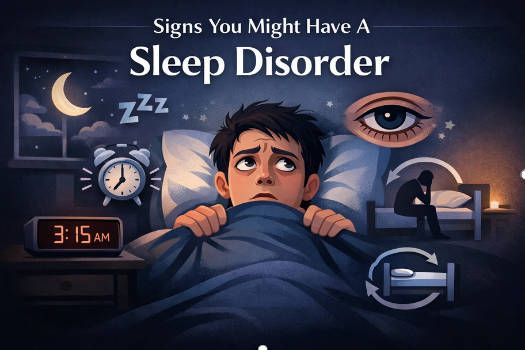
- Sleep disorders. A narrative review in a sleep medicine journal links nocturnal hyperhidrosis to obstructive sleep apnea, insomnia, restless legs syndrome, and narcolepsy, driven by overactivity in your sympathetic nervous system during disrupted sleep. Snoring, gasping, or long pauses in breathing alongside night sweats point toward sleep apnea specifically. Our guide on signs of a sleep disorder walks through the full symptom list and next steps. Mayo Clinic also breaks down the link between menopause and sleep apnea risk in a short video explainer.
Bedroom and Habit Triggers You Control Tonight
Not every fix requires a doctor’s visit. Start with your sleep environment:
- Room temperature. The Sleep Foundation recommends keeping your bedroom between 65 and 68°F for the most restful sleep. Our full walkthrough on building the ideal sleep environment covers temperature, humidity, and air flow together.
- Bedding and sleepwear. Swap heavy synthetic sheets for breathable cotton or moisture-wicking fabric. Sweat buildup also means you need to wash your sheets more often than the standard weekly schedule.
- Evening habits. Skip alcohol, caffeine, and spicy meals within three hours of bed.
- Layering. Drop the extra blanket. A lighter duvet with a fan nearby beats one thick layer.
A Quick Self-Check Before You Call a Doctor
Run through these five questions to sort mild cases from ones worth a medical visit:
- Does the sweating soak your clothes or sheets, not just dampen them?
- Does it happen most nights, not only after a hot room or a spicy dinner?
- Do you also have fever, unplanned weight loss, swollen glands, or a new cough?
- Did the sweating start after a new medication or a missed dose of a regular one?
- Are you between 40 and 55, or have your periods turned irregular?
Yes to the first two plus any part of the third means it is time to book an appointment. Yes to the fourth or fifth points you toward the medication or menopause sections above as a starting point.
When to See a Doctor
Mayo Clinic lists these warning signs as reasons to seek medical care rather than wait it out:
- Fever
- Weight loss you did not plan for
- Pain focused in one specific area
- A cough that will not clear
- Diarrhea
- Night sweats lasting more than a few weeks with no clear trigger from the sections above
Steps to Reduce Night Sweats Starting Tonight
- Set your thermostat between 60 and 67°F before bed.
- Trade a heavy duvet for a lighter, breathable blanket.
- Choose cotton or moisture-wicking sheets and pajamas, and wash them on a shorter cycle while sweating continues.
- Cut alcohol and spicy food within three hours of bedtime.
- Keep a two-week log: note when the sweating happens, what you ate, and any new medication.
- Bring that log to your doctor if the sweating continues past two weeks of these changes.
Key Takeaways
- Night sweats affect a wide range of people. Research puts the rate at 10 to 41 percent of primary care patients, with women in the menopause transition affected most, up to 80 percent.
- A warm room or heavy blanket causes most mild cases, and fixing your sleep setup resolves many of them within days.
- Medications, hormone shifts, infections, and sleep disorders such as obstructive sleep apnea also drive night sweats.
- Fever, weight loss, or focused pain alongside night sweats calls for a doctor visit, not a home fix.
Sources
- Mayo Clinic: Night Sweats, Causes
- Mayo Clinic: When to See a Doctor for Night Sweats
- Mayo Clinic: Hot Flashes, Symptoms and Causes
- Mayo Clinic News Network: Are Night Sweats a Cause for Medical Concern?
- American Family Physician: Persistent Night Sweats, Diagnostic Evaluation
- International Hyperhidrosis Society: Night Sweats
- The Menopause Society: Hot Flashes
- Cleveland Clinic: 6 Reasons Why You Sweat in Your Sleep
- PubMed: Hyperhidrosis in Sleep Disorders, a Narrative Review
- Sleep Foundation: Best Temperature for Sleep
- Mayo Clinic Minute: Menopause and Sleep Apnea (YouTube)