
Common Signs of Sleep Disorders and When to See a Doctor
Sleep problems feel personal and hard to explain. You wake up tired, feel drowsy all day, or lie awake at night watching the clock. This guide lists the clear signs of a sleep disorder and the next steps to take.
You will learn what to watch for, how each disorder shows up, when to see a doctor, and how to sleep better at home.
This guide gives general information only. It does not replace a diagnosis from a licensed doctor or sleep specialist.
Written with the assistance of Claude AI, reviewed by the Sleep Well Tips team using peer-reviewed sleep research
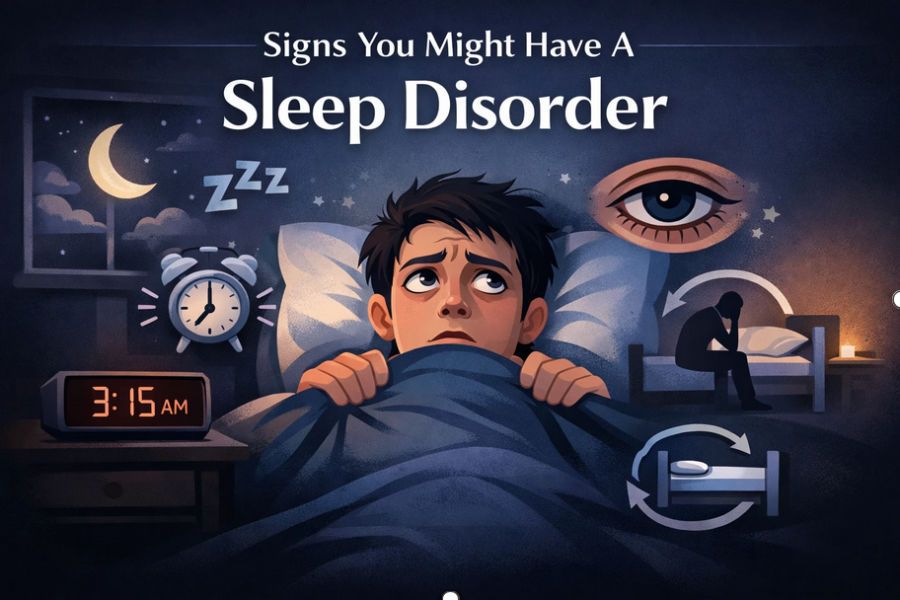
Common Signs of a Sleep Disorder
Sleep problems show up at night and during the day. Track both for one to two weeks. Write down what happens and when.
Nighttime signs:
- Frequent waking or trouble falling asleep
- Loud snoring with gasps or pauses in breathing
- Restless or jerking legs that disrupt sleep
- Sudden loss of muscle control during strong emotions
Daytime signs:
- Ongoing sleepiness or trouble staying awake
- Poor focus, memory slips, slow thinking
- Mood changes such as irritability or low mood
- Falling asleep in unsafe situations, like driving
If these signs show up most days for two weeks or more, take them seriously. A pattern matters more than a single bad night.
How Different Disorders Present
Each disorder follows a different pattern. Match your symptoms against these before you talk with a doctor.
- Insomnia: Trouble falling asleep, staying asleep, or waking too early. Often tied to stress or poor sleep habits. Doctors diagnose chronic insomnia after three nights a week of trouble sleeping for three months or more.
- Obstructive sleep apnea: Loud snoring, breathing pauses, choking sounds during the night. Daytime fatigue and morning headaches often follow. For structured ways to quiet the snoring itself, read 103 Things You Can Do Today to Stop Snoring Forever.
- Restless legs syndrome: An urge to move the legs at night with an uncomfortable, sometimes crawling sensation. Movement brings short relief, then the feeling returns.
- Narcolepsy: Sudden sleep attacks during the day, brief muscle weakness triggered by strong emotion, and vivid, dream-like experiences while falling asleep or waking up.
Track timing, triggers, and how bad each episode feels. This detail helps a doctor diagnose the right condition faster.
When to See a Doctor
Seek care when sleep problems start to affect your daily life.
Act quickly if you notice:
- Snoring with gasping or choking
- Falling asleep while driving
- Sudden muscle weakness tied to emotion
Untreated sleep disorders raise the risk of high blood pressure, heart disease, and depression. Bring a sleep diary to your appointment, and ask a bed partner what they notice, if you have one.
Diagnosis and Tests
Doctors start with your history and a physical exam, then order tests based on what they find.
Common tests:
- Polysomnography: Tracks brain waves, breathing, and movement overnight, usually at a sleep center.
- Home sleep apnea test: A portable version used for suspected sleep apnea.
- Multiple sleep latency test: Measures how fast you fall asleep during a series of daytime naps.
- Blood tests: Rule out thyroid problems or other conditions with similar symptoms.
Ask your doctor what each test measures and how to prepare beforehand.
Treatment and Management
Treatment depends on the diagnosis.
- Sleep apnea: CPAP therapy, oral devices, or weight management.
- Insomnia: Cognitive behavioral therapy for insomnia (CBT-I) as the first line of treatment, with short-term medication in some cases.
- Restless legs syndrome: Medication and iron correction if a blood test shows low iron.
- Narcolepsy: Medication for daytime sleepiness and muscle control.
Track your progress and follow up with your doctor on a regular schedule.
Improve Sleep at Home
These habits support better sleep alongside medical treatment:
- Keep a fixed sleep and wake time, even on weekends
- Make your bedroom dark, quiet, and cool
- Skip caffeine, alcohol, and heavy meals before bed
- Exercise earlier in the day, not right before bed
- Limit screens for an hour before sleep
- Build a short wind-down routine
For a longer list of nightly habits, see 49 Ways to Sleep Well Every Night. If your sleep schedule feels off track, How to Fix a Messed-Up Sleep Schedule walks through the reset step by step.
If symptoms continue after a few weeks of these changes, book a medical evaluation.
Key Takeaways
Sleep problems are common. They should not run your daily life.
Track both night and day symptoms for two weeks. Each disorder follows a distinct pattern. Early diagnosis leads to better outcomes. Home habits help, but some conditions need medical treatment alongside them.
If your symptoms match those above, book an appointment and bring your notes.